 by
by Agricultural, Construction, Production, Driver’s Mate (Delivery) Below is a practical, country-by-country guide: visa/permit steps, typical hiring routes, realistic salary ranges, and accommodation realities for each job type. I cite official and recent sources for the most important, up-to-date points.
Quick note on sources & timing
Immigration rules, wage floors, and labour schemes change often. Below I rely on official government pages and trusted salary/industry summaries (linked inline). Use those official pages (e.g., embassy/immigration sites) for your final application checks. (Make It in Germany)
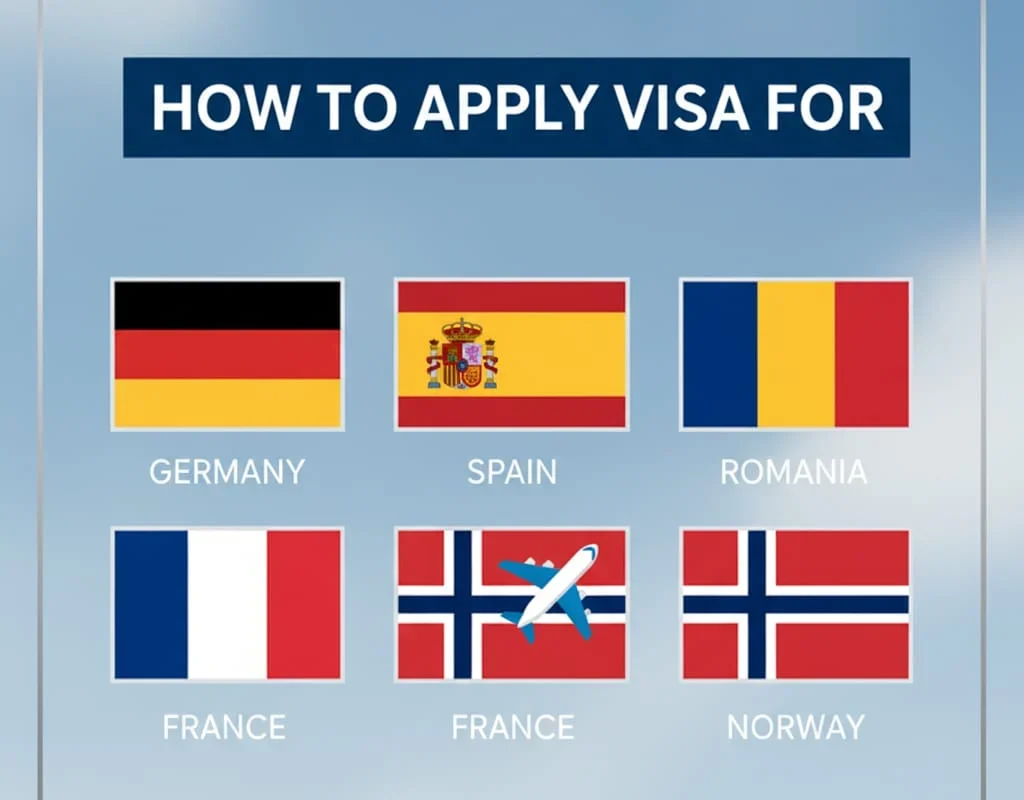
1) Germany
How to apply (overview)
- If you are a non-EU national: you usually need a work visa or residence permit before starting work. For skilled posts there are routes like the skilled workers’ visa and the EU Blue Card; for short seasonal jobs there are specific seasonal-work procedures. Applications generally start at the German embassy/consulate in your home country; after entry you convert to a residence permit at the local Ausländerbehörde. (Make It in Germany)
Typical hiring routes for these jobs
- Agricultural (seasonal/full-time): farms post openings (especially harvest season). Seasonal permits exist but access for third-country nationals is limited and often coordinated through bilateral agreements or specific programmes. Many farms advertise visa-sponsorship or seasonal contracts. (arbeitsagentur.de)
- Construction & Production: larger contractors and factories recruit year-round; for skilled roles employers sponsor work visas (or EU Blue Card if qualified). Helpers/entry level roles may be filled locally or via regulated seasonal/agency placements. (Make It in Germany)
- Driver’s Mate / Delivery: many parcel/food companies hire drivers/couriers — note some platforms use gig/freelance models and local rules (classification) are evolving. For standard employment you will need a contract and social-security registration. (Glassdoor)
Salary ranges (typical, gross, annual / approximate)
- Agricultural (farm/field worker): ~€28,000–€41,000/year (wide variation by region, full-time vs seasonal). (Salary Expert)
- Construction worker: roughly €34,000–€56,000/year depending on experience and region. (Salary Expert)
- Production (factory line): often similar to basic industrial wages — €28,000–€40,000/year depending on role/shift allowances. (Compare local job listings.) (Salary Expert)
- Driver’s mate / Delivery driver: typical gross pay ranges ~€28,000–€40,000/year for employed drivers; platform/gig roles produce more variable incomes. (Salary Expert)
Accommodation & living
- Seasonal agricultural jobs: many employers provide basic staff accommodation or help arrange shared housing (and may deduct a reasonable rent from wages). Check living-conditions before accepting. (arbeitsagentur.de)
- Urban jobs (construction/production/delivery): workers rent apartments or shared rooms; housing costs vary widely (higher in Munich/Hamburg/Berlin). Employers rarely provide housing except for very remote projects.
2) Spain
How to apply (overview)
- Non-EU nationals usually need an employer-sponsored work and residence permit (Autorización de Residencia y Trabajo por Cuenta Ajena) before applying for a visa at a consulate. For seasonal work there’s a seasonal permit with special rules. Employers typically start the authorisation process in Spain. (Ministry of Foreign Affairs)
Typical hiring routes
- Agricultural: large seasonal demand (fruit/vegetable harvests). Many seasonal contracts include lodging; recruitment often via agencies or direct farm adverts. (Migration and Home Affairs)
- Construction & Production: firms recruit both local and foreign workers; longer contracts require normal work permit procedures. (ERI Economic Research Institute)
- Driver’s Mate / Delivery: platform delivery has shifted toward employment models (Spain’s “riders” laws and company changes), so many couriers are now employees rather than pure freelancers. (AP News)
Salary ranges (typical, gross)
- Agricultural (seasonal worker): roughly €8–€22k/year for seasonal/low-skilled roles; specialized crop workers may earn more (seasonal pay + overtime). (Average farm worker ≈ €16k in some data sets.) (Salary Expert)
- Construction worker: averages ≈ €22k–€36k/year; collective agreements set minimums (e.g., base peón ≈ €1,200/month in many provinces — see sector agreements). (ElHuffPost)
- Production (factory): approx €18k–€30k/year depending on role/shift. (ERI Economic Research Institute)
- Delivery driver / courier: typical employed drivers ≈ €18k–€28k/year, though high-volume couriers in cities can earn more with overtime/bonuses. Note the platform → employee shifts in Spain affect pay and protections. (ERI Economic Research Institute)
Accommodation & living
- By law for seasonal permits: employers should provide adequate accommodation (dignified and hygienic) or arrange travel and housing conditions as part of the seasonal scheme. In practice many farms and resorts provide shared dorms or staff apartments. Urban roles require private renting; cities are more expensive. (Migration and Home Affairs)
3) Romania
How to apply (overview)
- For non-EU nationals, employers apply for a work permit on your behalf with Romanian immigration authorities; after approval you apply for a long-stay visa at the consulate and then obtain a residence permit in Romania. Employers often must show the need to hire a non-EU national. (Pebl)
Typical hiring routes
- Agricultural & production: Romania has both local demand and employers who recruit seasonal/longer-term workers; some farming enterprises hire foreign labour, often via posted contracts or agency placements. (Playroll)
- Construction: contractors hire both local and foreign workers; larger projects may sponsor permits for needed roles. (Playroll)
- Driver’s Mate / Delivery: lower average wages than Western Europe; courier/delivery roles exist in cities, often as employed positions or via local companies.
Salary ranges (typical, gross)
- Agricultural: reported averages vary; sample data shows farm worker averages quoted in RON — e.g., ~45,000 RON/year in some datasets (convert to euros for comparison; region and role vary). (Salary Expert)
- Construction: typically higher than agriculture but still lower than Western Europe — many roles in ~RON 40k–80k/year depending on responsibility and experience. (Playroll)
- Production/Factory: varies; many entry roles pay modestly but have stable contracts.
- Delivery: urban courier pay is modest compared with Western EU averages.
Accommodation & living
- Employers sometimes provide basic accommodation for seasonal agricultural staff, but many workers rent locally (shared flats or employer-arranged housing). Cost of living is generally lower than Western Europe. (Student T Card)
4) France
How to apply (overview)
- Non-EU nationals need a work permit and a corresponding visa. Usually the employer applies for a work authorisation; you then use that to get the long-stay work visa and residence permit. France uses several categories for salaried employment and for seasonal workers. (France-Visas)
Typical hiring routes
- Agriculture: high seasonal demand (harvests, pruning). Many farms recruit EU and third-country seasonal workers; agencies and cooperatives post vacancies. (ERI Economic Research Institute)
- Construction & Production: employers sponsor non-EU skilled workers for longer contracts; union/sector agreements often define pay bands. (ERI Economic Research Institute)
- Delivery: many couriers are employees (or shifting into employee status in some systems); city delivery roles are common.
Salary ranges (typical, gross)
- Agricultural (farm worker): €22k–€29k/year typical averages reported. (Salary Expert)
- Construction worker: approx €27k–€44k/year depending on skill level. (ERI Economic Research Institute)
- Production / Factory line: roughly €22k–€36k/year depending on position and region.
- Delivery: urban delivery drivers — variable, often €20k–€35k/year for employed drivers (bonuses vary).
Accommodation & living
- Seasonal jobs: employers often provide staff housing (shared dormitories, farmhouses) or assistance finding housing. In cities, workers rent privately; rents in Paris and major cities are high. (ERI Economic Research Institute)
5) Norway
How to apply (overview)
- Non-EEA nationals must apply for a residence permit for work (types: skilled workers, seasonal workers, etc.). The Norwegian Directorate of Immigration (UDI) is the official source for permit types and application procedures. Employers often initiate or support applications. (UDI)
Typical hiring routes
- Agricultural: Norway recruits seasonal workers (e.g., fruit/fish farms) and many positions are through agencies or direct hiring; seasonal permits exist. (AtoZ Serwis Plus)
- Construction & Production: high wages for skilled and unskilled labour; employers sponsor foreigners for needed posts. (ERI Economic Research Institute)
- Delivery / Driver’s Mate: transport and logistics roles exist; wage levels are significantly higher than EU averages but living costs are also higher.
Salary ranges (typical, gross; NOK)
- Agricultural (crop/farm worker): ERI examples show averages around NOK 416k/year (~NOK 200/hr) for crop farm workers. (ERI Economic Research Institute)
- Construction worker: averages ~NOK 421k–686k/year; typical midpoint ~NOK 575k. (ERI Economic Research Institute)
- Production / Factory: comparable to construction for skilled roles; many shift premiums apply.
- Delivery drivers / courier: often NOK 300k–500k+ depending on employer and overtime.
Accommodation & living
- Norway has high living costs. Seasonal agricultural jobs may include employer housing (common). For city roles you will need to budget for higher rents — employers seldom provide long-term housing for standard hires. (UDI)
Practical tips — applying & choosing offers
- Get an official job offer/contract in writing before making travel plans. The contract is required for most visa processes. (Employer sponsorship is the standard route.) (Make It in Germany)
- Check whether housing is included (seasonal farms often include dorms; in Spain it’s an employer obligation for seasonal permits in many cases). If accommodation is deducted from pay, get the terms in writing. (Migration and Home Affairs)
- Know tax & social security rules: being classified as an employee entitles you to social security; gig/freelance status can be precarious. Spain (riders) and other countries have evolving rules — verify the contract type. (AP News)
- Language & health insurance: some countries require basic language or health insurance proof for visa; always confirm documents required by the embassy/consulate. (Make It in Germany)
- Use official sources for visa steps (immigration/consulate sites: Make-it-in-Germany, France-Visas, UDI Norway, national consulates). I used those as the basis for the visa summaries. (Make It in Germany)
Short country comparison (very condensed)
- Germany: solid wages, strict permit rules; seasonal programmes exist but access for third-country nationals is more limited — check Federal Employment Agency/Make-it-in-Germany. (Make It in Germany)
- Spain: large seasonal market (agriculture/tourism); law often requires employer housing for seasonal permits; delivery-riders shifted toward employee status. (Migration and Home Affairs)
- Romania: lower wage levels but employer-sponsored permits are common; cheaper cost of living and potential stepping stone into EU labour markets. (Playroll)
- France: formal permit process; seasonal and construction markets recruit heavily; wages governed by sector agreements. (France-Visas)
- Norway: high wages, high cost of living; formal residence permit required for non-EEA nationals; seasonal schemes exist. (UDI)
Final checklist to apply (use this before you submit anything)
- Job offer/contract (signed) — check salary, hours, accommodation, deductions.
- Employer confirmation they will apply or support your work authorisation (if needed).
- Passport valid >6 months, recent photos, criminal record check (if requested), health/medical certificate, any qualification recognition needed.
- Proof of accommodation (if required for visa), evidence of travel/return arrangements (seasonal permits sometimes require a return undertaking).
- Submit visa application at the country’s consulate/embassy in your home country — follow their document list exactly.
